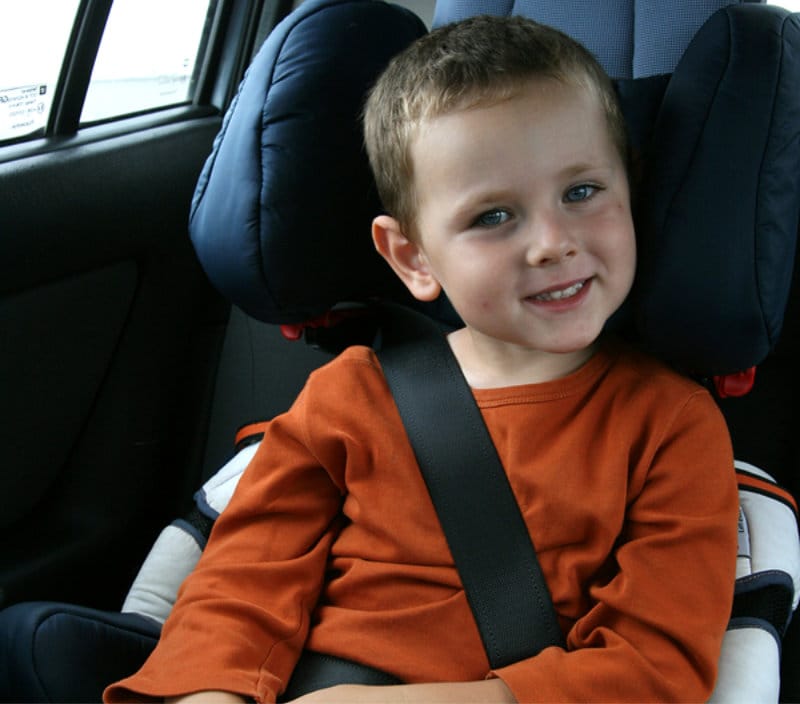
What question is most asked by children on a long car ride?
If you answered: “Are we there yet?”, then give yourself a round of applause. What parent has not heard that question from the backseat of the car? The real question being asked is not really, “Are we there?” but “When will we be there?” And what can you say? You can look on your GPS device and give the exact mileage and estimated time of arrival, but it is little help to a preschooler. They have no frame of reference to calibrate “125 miles” or “2 hours 10 minutes.”
So you are forced to find another language to respond to the question from the back seat. “Soon, we will be there soon,” the parent says. Or “Just a little bit longer. We’re almost there.” This answer is not very scientific. But it is the language of comfort, of assurance, of continued confidence – to be patient and watchful, letting the child know there is an end to this journey, that they are making progress toward that end, and that the folks in the front seat are in control of this mysterious trek. It is language designed to inspire trust and instill hope. It is language of the heart.
Today’s first and gospel readings are just that type of language of the heart – apocalyptic literature. Pitched in language of image and metaphor – buildings crumbling, signs in the heavens and stars falling from the sky – this language tries to answer the question of ‘are we there yet?” And in doing so, invites us to know a few things about the journey to those endings.
1) First, this language reminds us that this world and our place in this world will one day end. The buildings we see, all the stars in the sky, our loved ones and eventually ourselves – it will all be gone. And though that thought can fill us with terror and paralyze us into inaction, this language of love invites us to trust that there is a hand guiding that flow of history. There will arise MICHAEL – our guardian to watch over us. Trust, in the midst of the fleetingness of life that God has got our backs.
2) The awareness that things will end us meant to bring us comfort and hope. If we are suffering from the flu, it helps to know that these aches and pains will not last forever. If you are writing that big term paper or that must finish project for work – that too, will pass. If you are that preschooler strapped into that car seat in the back, it helps to know that eventually you will arrive at the destination, and you will be set free to run and jump and play once more. Knowing that freedom is coming is reason to keep hope.
Today’s gospel is a continuation of a dialogue that began when the disciples were marveling at King Herod’s temple. Jesus tells them, that one day, (sooner than they knew – a scant 40 years into the future) it would crumble and fall. He goes on to say to his bewildered disciples, the upheaval that would be coming, when everything permanent seemed to come unglued, when evil would seem to triumph—that day would not last either. He wanted to give them a word of hope, something to cling to when the world seemed to be falling apart. And like children in the back seat, they asked, “Are we there yet? When will we be there?” And like a wise parent, Jesus answers in that poetic language of apocalypse – take a lesson from the fig tree. There is a life, a sprouting that happens, even when all seems lost and barren and stick-like and dead. Trust in God and trust in the process.
Concretely, what is the message for us? Let me mention 2.
1) Individually, perhaps it is a time of loss and struggle. A time of distress and tribulation. Surrender that loss, that grief into the hands of our Lord – our guardian who watches over us and whose cross guides our journey.
2) It was not quite the week many of us hoped for with the bishop’s annual meeting. And I feel like that kid in the back seat, not asking are we there yet, but ‘is it over yet?’ When will it be over? When will we be the church of God that we are called to be? The letter from the Vatican on the eve of the bishop’s conference seemed upsetting, even tragic. “Do NOTHING.” Really? REALLY? How do we understand that. Time will tell, but I wonder if this was a signal from the Vatican – we’re working SO hard on this. And whatever protections and processes we put in place, they have to apply world wide. So don’t tie our hands with a resolution, no matter how well intentioned that might not pass the muster of both canon law and universality in all the dioceses of the world. Because it would look even worse if we had to retract what you vowed to do. Keep working to be transparent. Keep listening to the voices of the laity crying out in pain. Keep praying that this scourge is cleansed forever. Keep healing the victims. And we will deal with all of this in February. (Now, if that doesn’t happen, then you and I will have a different conversation in Feb.)
Are we there yet? Nope. There is still much to do. Much to do. Lord, let me pledge to do my part. And trust you to do yours. Amen.